
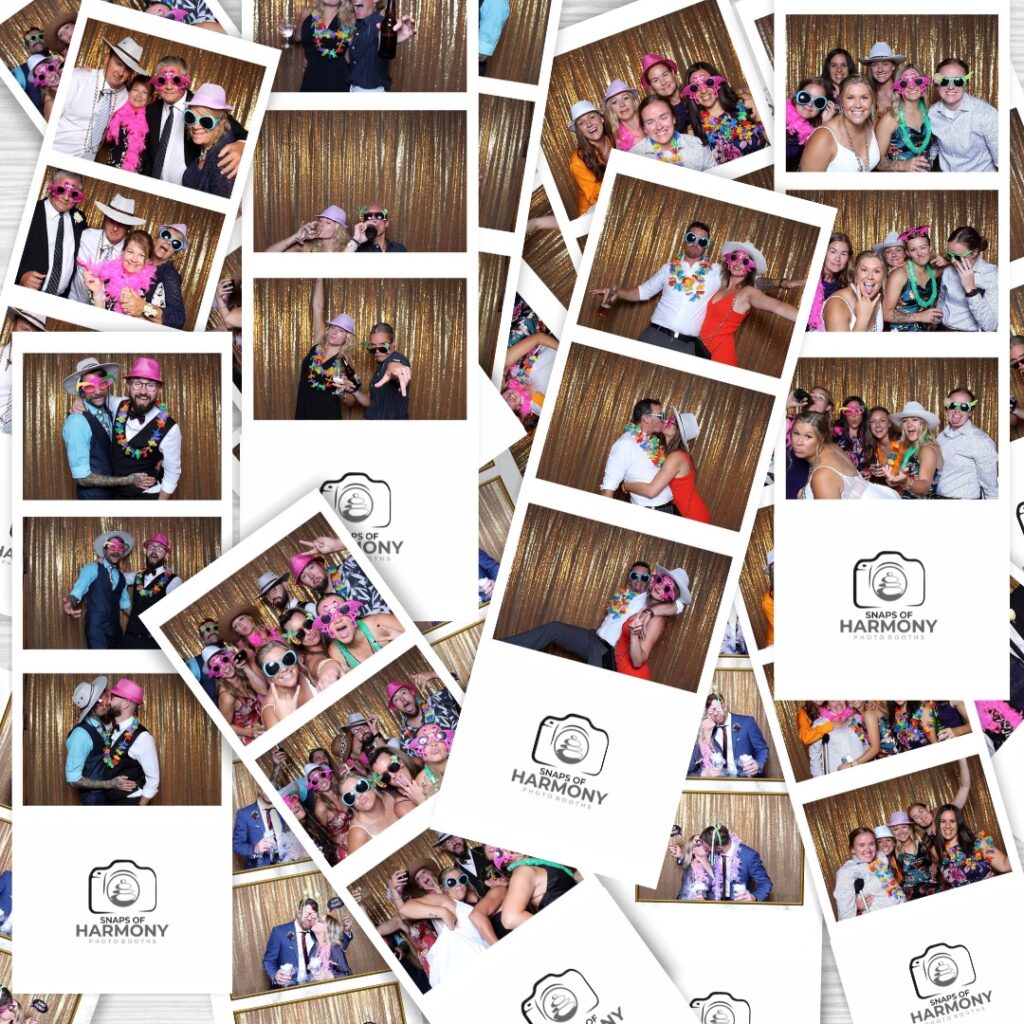
Short answer: choose a 2×6 strip when you want a classic, compact keepsake built around a sequence of expressions. Choose a 4×6 print when one larger photograph, more visible names or branding, or a display-friendly format matters more. Neither is automatically better; the strongest choice is the one that gives your most important content enough room.
Free format comparator
Build a 2×6 versus 4×6 print brief
Compare the proportions and choose what matters most. The result is a design conversation starter—not a production proof.
Your answers stay in this browser tab. They are not uploaded, stored, added to analytics, or included in the page URL.
Want to compare the physical sizes? Print or save this tool at 100% / Actual Size. The print stylesheet draws both formats at their stated dimensions.
Your starting direction
Your format recommendation
Snaps offers both formats. Confirm the final template, image arrangement and event wording during design review.
2×6 strips and 4×6 prints at a glance
Both formats are available with the Snaps of Harmony Open-Air Photo Booth. The selected design can coordinate names, a date, colours, or a supplied logo where appropriate. Confirm the final choice and any customization in the written quote.
What a 2×6 strip does especially well
The narrow format creates a beginning, middle, and end. Guests can smile in one frame, change props or expressions in the next, and finish with something unexpected. That visual rhythm is a large part of the classic photo-booth feeling.
The tradeoff is limited width. Long names, multiple sponsor marks, detailed event copy, and thin lettering can become difficult to read at final size. A strong strip design usually chooses one visual idea and edits ruthlessly: a short name treatment, a date, or one clear logo rather than a miniature event poster.
What a 4×6 print does especially well
A 4×6 print gives the photograph and design more breathing room. It can make faces easier to appreciate in the finished keepsake and offers more flexibility for a hero image, wedding details, a campaign line, or approved corporate branding.
Extra room should not become extra clutter. A 4×6 design can still fail when several logos, a long message, decorative graphics, and multiple small images compete for attention. Decide what a guest should notice first, then let the remaining elements support it.
Choose based on what must be legible
For a wedding
Start with the couple’s names, date, colours, and the character of the stationery or décor. If the pose sequence is the keepsake, a strip may fit naturally. If a larger portrait and a more spacious name treatment matter most, compare a 4×6 concept. You do not need to copy an invitation exactly; coordinating type, colour, or one motif is often enough.
For a corporate event
List every required element before choosing the format: the current logo, event name, date, campaign line, sponsor marks, or legal wording. Follow the organization’s approved colours, clear-space rules, and minimum logo size. When several elements are mandatory, the broader 4×6 canvas may be easier to organize—but the final answer should come from proofs at actual size.
For any celebration
Ask whether the print should feel playful, photographic, decorative, or branded. Then browse the real Snaps of Harmony template collection at the proportions you are considering. A design that looks beautiful as a large screen preview still needs to remain clear in a guest’s hand.
Print speed is only one part of guest flow
With the Snaps of Harmony Open-Air Photo Booth, classic 2×6 strips can print in as little as seven seconds, while 4×6 prints take about fourteen seconds. These are printer output times, not promises about how many guests can complete the entire experience in an hour.
Total guest flow also includes choosing props, gathering a group, posing for each frame, reviewing or sharing, collecting prints, and welcoming the next group. The number of copies and the event workflow matter as well. A seven-second print time should never be multiplied into an attendance guarantee.
Photo-booth printers support output in different ways. For general format context, DNP’s DS-RX1HS documentation lists both 2×6 and 4×6 sizes and explains that paired 2×6 strips can be produced on wider media. This is an industry reference only; it does not identify or promise the printer used for a Snaps of Harmony event.
Review the proof at final proportions
A phone or laptop enlarges small details and can make type appear easier to read than it will on paper. Review the design at its intended physical dimensions, then check:
- Names, dates, event wording, and spelling.
- The approved logo version, colour, and clear space.
- Contrast between text, graphics, and the background.
- Whether decorative elements crowd the image windows.
- Whether important content sits safely away from trim or cut areas.
- How the design reads both in print and in any separate digital delivery.
A concept generated by an online comparison tool is a planning aid, not a production proof. Final artwork, image windows, margins, and output must be reviewed through the event’s approval process.
A six-line brief your designer can use
- Format preference: 2×6, 4×6, or show both.
- Primary visual goal: pose sequence, hero photograph, wedding detail, or corporate branding.
- Required copy: exact names, date, event title, or approved campaign line.
- Required assets: current logo files, colours, fonts, or one coordinating motif.
- Must avoid: unapproved colours, outdated logos, overly small copy, or crowded layouts.
- Approver: the one person authorized to return consolidated feedback.
Questions to settle before approving a format
- How many image frames will the layout include?
- What should a guest notice first?
- How many copies are provided for a participating group under the selected quote?
- Which supplied names, colours, logos, or motifs can be incorporated?
- What is the proof deadline and approval process?
- Will the digital file use the same layout or a separate presentation?
2×6 versus 4×6 print FAQs
Are 2×6 photo strips always vertical?
The familiar strip is narrow and vertical. The production arrangement may place multiple strips on wider print media before separation, so ask how the finished copies are supplied rather than judging the guest takeaway from the printer sheet.
Is a 4×6 print better for large groups?
The physical print can make faces easier to view, but it does not change the camera’s field of view or guarantee that a setup fits a particular group. Booth placement, camera distance, posing, and the selected layout all matter.
Which format is better for a company logo?
A simple logo can work on either format when it remains legible and follows brand rules. A 4×6 layout usually offers more room when the event name, campaign line, or several approved elements also need to appear.
Can we compare both designs before deciding?
Yes—request concepts at the real proportions and judge them at actual print size. The final format, artwork, and approval steps should still be confirmed for the selected event and quote.
Sources and further planning
- DNP Imagingcomm America: DS-RX1HS specifications — general industry reference for supported print sizes and production arrangement.
- Snaps of Harmony Photo Booth Templates — real design directions to compare at 2×6 and 4×6 proportions.
- Open-Air Photo Booth and Photo Booth Packages — confirmed inclusions and experience comparison.
Know which format fits your event? Share the date, venue, format preference, and design direction when you check availability. If you are undecided, ask to compare both before the final design is approved.